Their story, in their words…
As part of a programme with the Mark Evison Foundation, we took part in a hiking expedition along a section of the Camino de Santiago coastal route in northern Spain. The journey went from Santander to Bilbao and was completed by a group of three of us, all aged 17. The aim of the programme was to challenge us to complete a real expedition independently, developing resilience, teamwork, and independence without constant adult supervision.
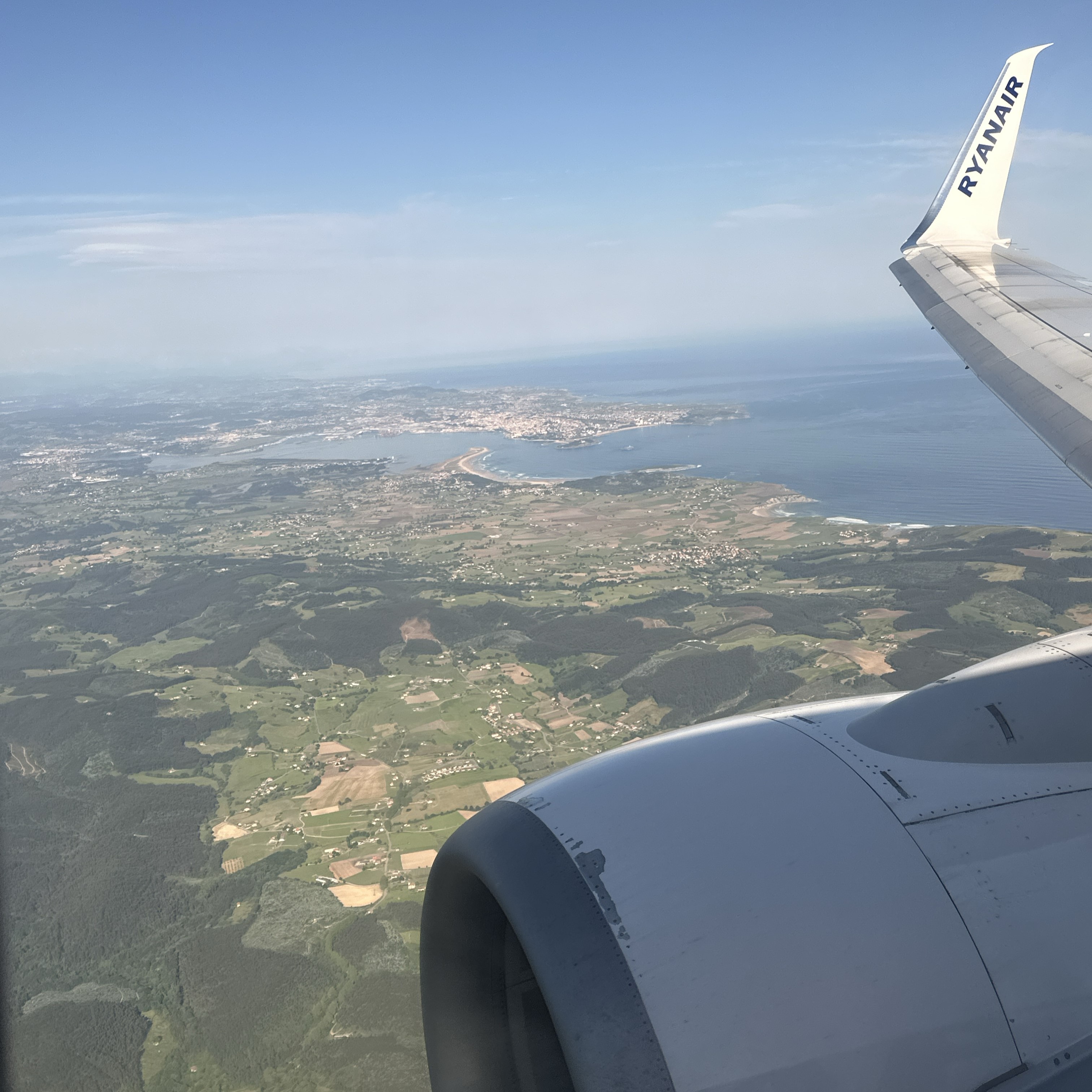
The route followed the northern coastline of Spain and included a variety of landscapes such as cliffs, beaches, forests, and rolling hills. The weather throughout the hike was mostly sunny and warm, which made the scenery more enjoyable but also increased the physical difficulty, especially during long uphill sections and when walking for extended periods in the heat.
Each of us carried all of our equipment and had full responsibility for completing the route ourselves. We had to manage our pace carefully, stay hydrated, and decide when to rest in order to keep going each day. With only three people in the group, communication was constant and essential. We worked closely together, regularly checked in on how each other was feeling, and made joint decisions whenever adjustments were needed.
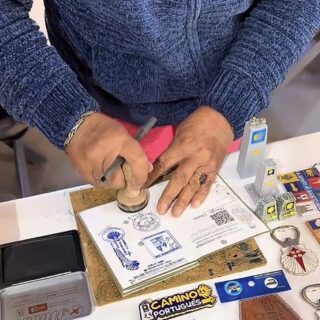
We also each had pilgrim passports, which were an important part of the Camino experience. Along the route, we collected stamps in our passports from different places we passed through. Each stamp marked our progress and gave a real sense of achievement as we moved closer to Bilbao. It also connected us to the wider tradition of the Camino de Santiago, as many other pilgrims were completing the same process.
Navigation was our responsibility throughout the expedition. Although we followed the Camino route, signage was not always clear, so we relied on maps and teamwork to stay on track. There were times when we had to stop, discuss our options, and agree on the correct direction. This helped us develop problem-solving skills and increased our confidence in making independent decisions.
The hike was physically demanding, especially in the sunny conditions, and fatigue built up over the course of each day. However, we learned how to manage our energy more effectively as the expedition went on, including maintaining a steady pace and supporting each other through more difficult sections. Completing each stage together gave us a strong sense of
achievement. We stayed in hostels along the route, which added to the experience of meeting other pilgrims and being part of the Camino community. This helped us appreciate the shared nature of the journey and made the experience feel more connected to others completing the same route.
Overall, the hike from Santander to Bilbao was a challenging but extremely rewarding experience. It tested us physically and mentally, but also helped us develop key skills such as teamwork, communication, independence, problem-solving, and resilience. The sunny weather, pilgrim passports, and hostel stays all contributed to making the experience memorable. As a group of three, we supported each other throughout, and we are all proud to have completed the expedition as part of the Mark Evison Foundation programme.