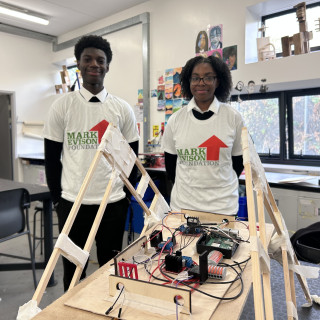
Their story, in their words…
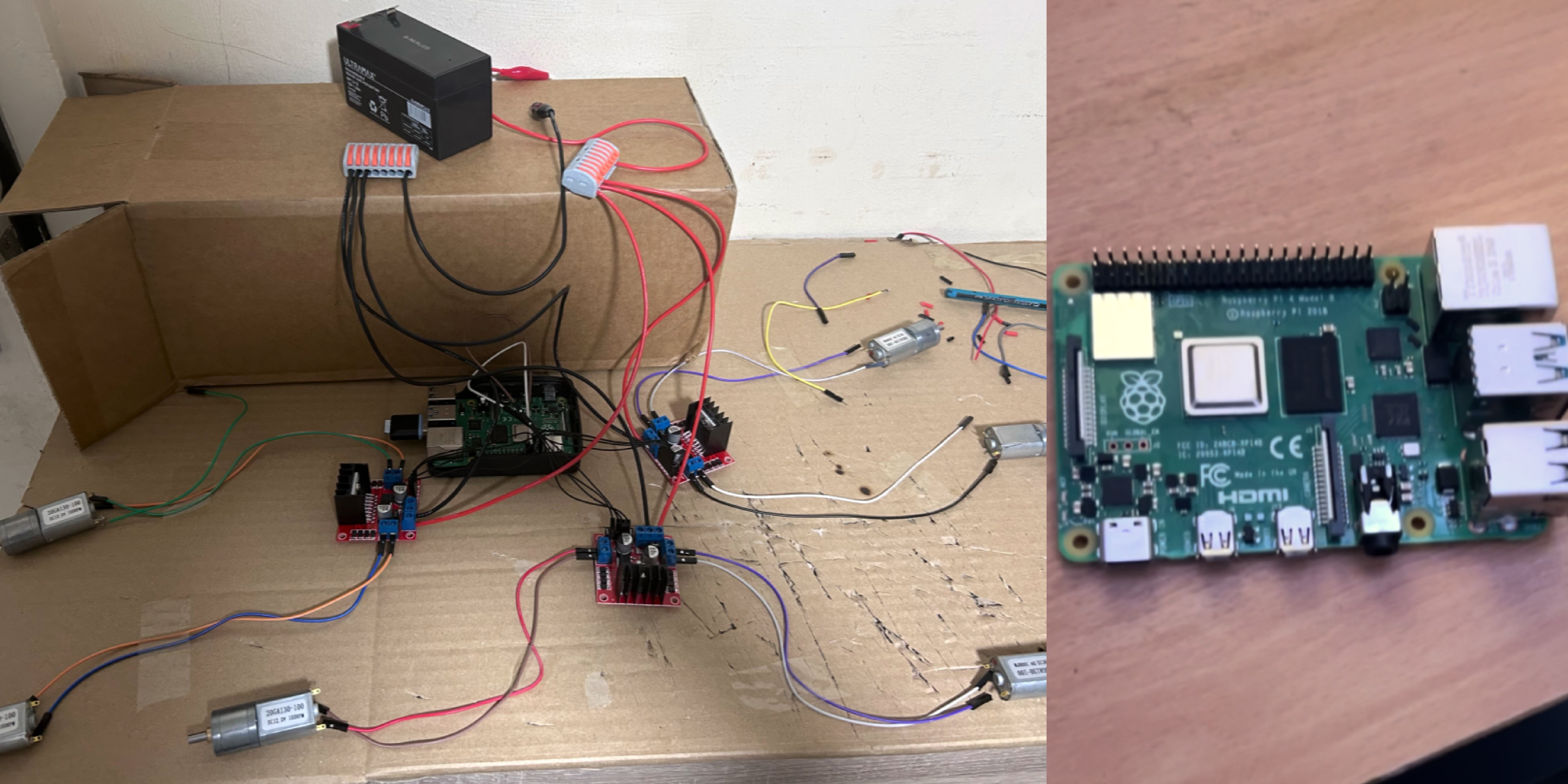
We attempted to build a space rover with obstacle avoidance and built in detectors that allowed it to autonomously move around obstacles without the guidance of humans. Although the project did not work out exactly as we had hoped, we were still proud of what we achieved. One of our main challenges was the lack of resources available to use, however we still made do with what we had. Despite purchasing a large range of electrical components, we lacked certain simpler pieces such as specific wiring or soldering material. However, we still managed to construct the near-complete circuit seen below.
The electronics part of our model was one of the most important parts, and several days of trial and error taught us how to correctly set and program a Raspberry Pi 4B, how to adjust code to specialised hardware, and how to construct entire circuits with raw electronic material. Our understanding of electronic engineering developed – which is useful for both of our desired career paths – as well as other skills like soldering and coding.
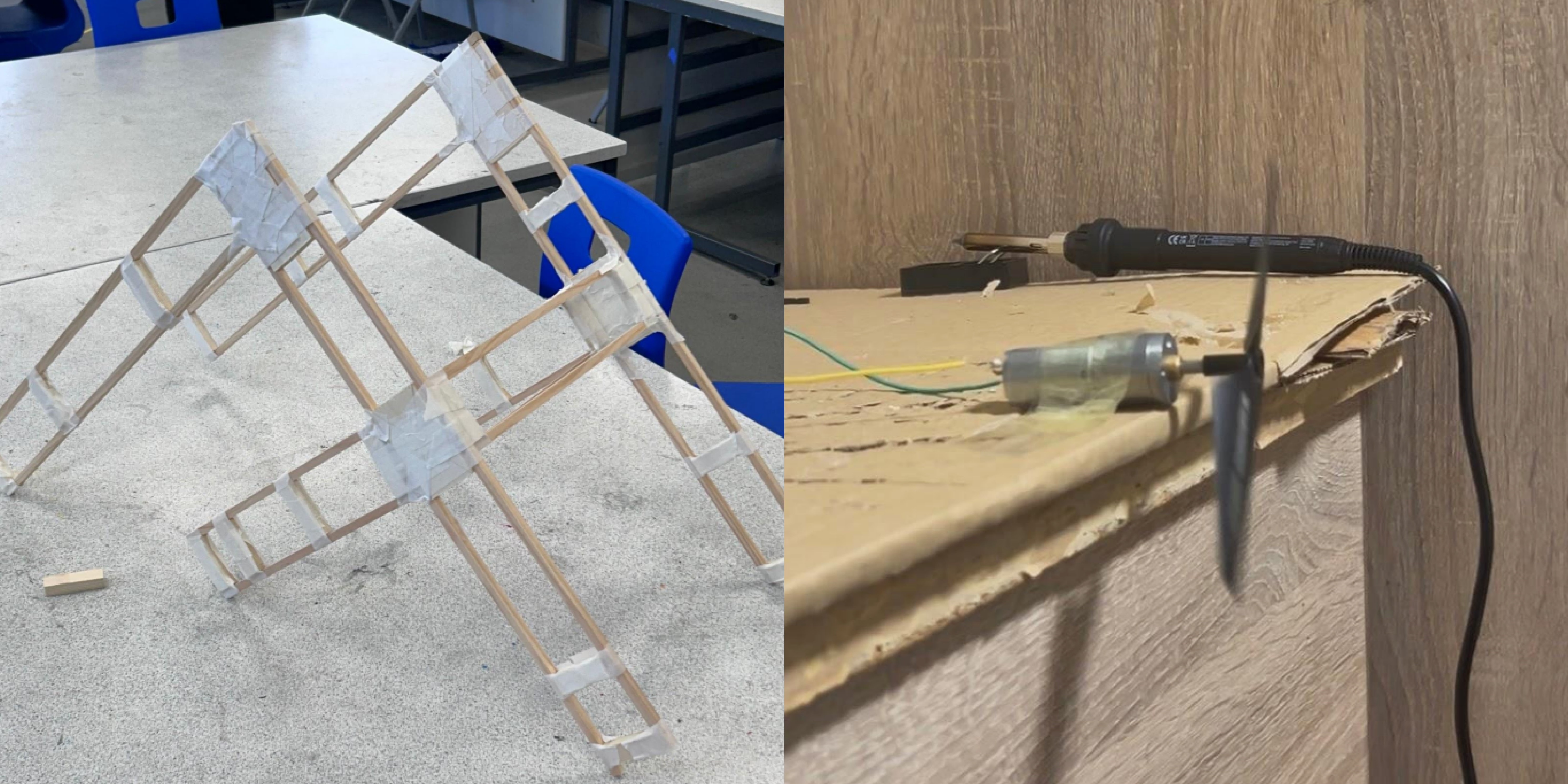
Throughout the project, we improved our teamwork and communication skills, as we had to coordinate tasks, share ideas and communicate clearly to bring the different parts of the rover together. Unfortunately, full construction of the frame was not achievable due to a range of factors, including a lack of access to appropriate material, however we persevered to construct a ‘prototype’ version of how our structure would look.
We also voluntarily did fundraising on JustGiving to give back to MEF for their support of our project, with which we managed to raise 35% of our £200 goal.
Although we were a bit disappointed that the rover did not perform as well as we wanted, we were very proud of how much we managed to build in spite of the numerous obstacles. The experience taught us that engineering involves trial and error, problem-solving and learning from mistakes (lots of them!). Overall, this project was actually quite delightful and gave us valuable practical experience and a firm understanding of the challenges involved in designing and building a working prototype.
Finally, we’d like to thank the Mark Evison Foundation for allowing us the opportunity to partake in this incredible educational and fun experience.