Their story, in their words…
From an Idea to a Working Machine
What if a machine could look at a piece of waste and decide where it belongs? That was the question that started my project.
I have always been fascinated by robotics, so when I was given the opportunity to create my own project, I wanted to tackle a problem that exists in everyday life: waste sorting. My first idea was to use artificial intelligence to identify different types of waste. In theory, it was possible. In reality, I quickly realised that developing a reliable AI system would require more time, data and specialist knowledge than I had. I could have stopped there, but instead I changed my approach. I decided to build a working prototype using sensors, motors and Arduino.
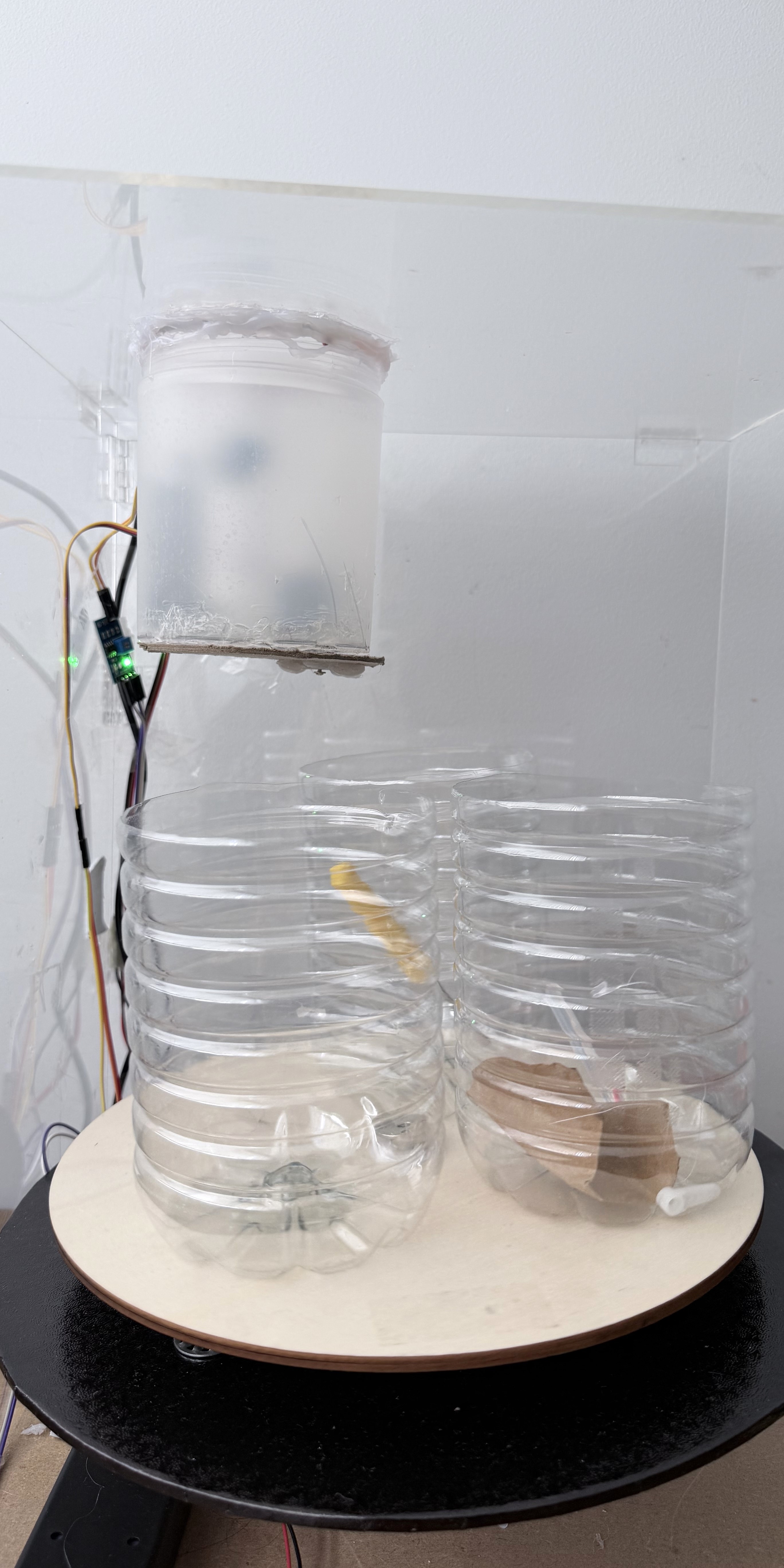
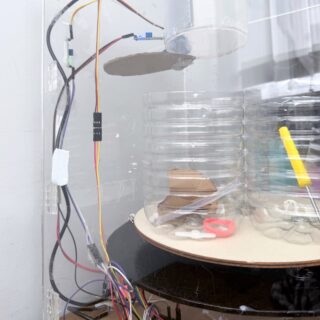
The finished machine sorts waste into three categories: dry, wet and metal. It sounds straightforward, but building it was anything but. This was my first time working with components such as proximity and raindrop sensors, and I had to learn how they worked while simultaneously trying to make them work together. Every component introduced another problem to solve.
One problem in particular nearly forced me to rethink the entire design. I had placed the raindrop sensor on a moving flap, but the sensor was interfering with the mechanism and preventing the flap from opening and closing properly. I reconstructed the mechanism, tested it again, and discovered that the problem still wasn’t solved. Rather than abandoning the design, I changed my approach once more and moved the sensor inside the chamber. It was a small change, but it represented something much bigger that I had learned: a failed design is not a failed project.
The moment I am most proud of was switching the machine on and seeing the idea I had imagined actually become something physical. After spending so much time testing, rebuilding and troubleshooting, watching the machine work felt completely different from simply completing an assignment. It showed me that I could take an idea, encounter problems I had never faced before, and still find a way forward.
The project taught me much more than how to use sensors or program an Arduino. It taught me patience when things refused to work, confidence when I had to make decisions independently, creativity when my original ideas failed, and persistence when I was tempted to give up. Most importantly, it taught me to think like an engineer. Instead of asking, “Why isn’t this working?”, I learned to ask, “What can I change to make it work?”
I began this project wanting to build a machine. I finished it having built something else as well: a stronger belief in what I am capable of creating. The experience has made me even more determined to pursue robotics and AI, and has shown me that some of the most rewarding inventions begin not with a perfect idea, but with the determination to keep improving an imperfect one.